Kitchen Appliance Repair
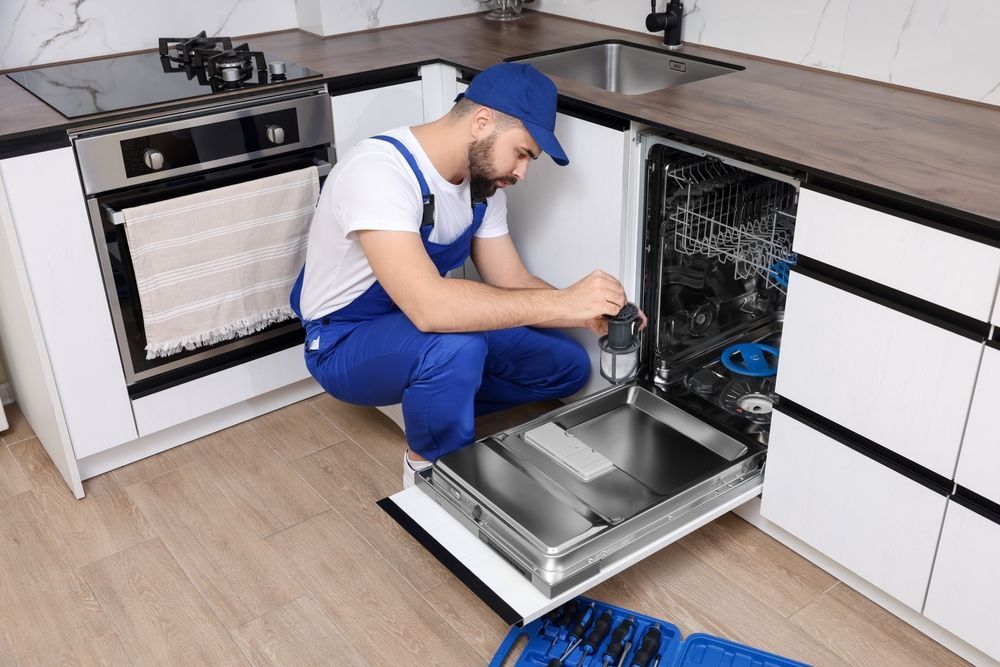
Kitchen appliances are central to household life: ovens, stoves, ranges, dishwashers, and microwaves are used daily for cooking, cleaning, and convenience. Webster Appliance Repair, LLC offers professional kitchen appliance repair services in Poinciana, FL 34759. From ovens that won’t reach temperature to dishwashers that leak and microwaves with malfunctioning doors, our technicians diagnose, repair, and restore kitchen equipment quickly and safely. This comprehensive page explains why kitchen appliance repair matters, common issues and solutions, our repair process, safety considerations, maintenance best practices, FAQs, and how to reach us for service.
Why Kitchen Appliance Repair Matters
Functional kitchen appliances:
Ensure household meal preparation and food safety
Reduce energy waste and utility expenses
Maintain home value and appliance longevity
Prevent safety hazards such as gas leaks, electrical faults, or fires
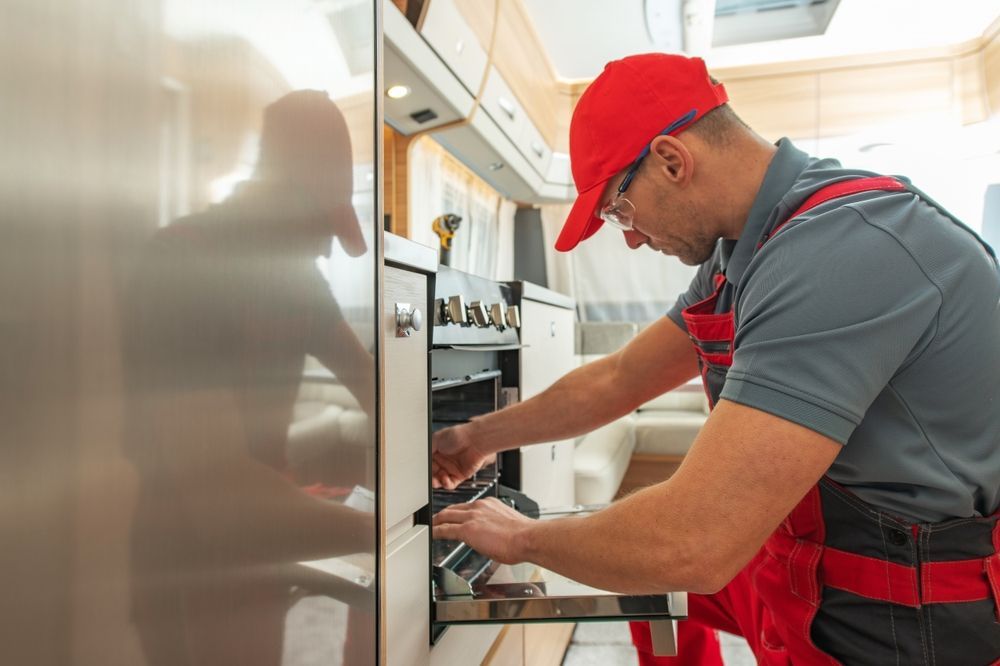
When kitchen appliances fail, it affects daily routines and can create safety risks — especially with gas-powered appliances and those involving high heat. Professional diagnosis and repair ensure safe operation and long-term reliability.
Key Benefits of Professional Kitchen Appliance Repair
Professional kitchen appliance repair ensures your appliances are serviced safely, efficiently, and correctly the first time. Skilled technicians accurately identify mechanical, electrical, and gas-related issues, preventing misdiagnosis and unnecessary part replacements.
Accurate identification of mechanical, electrical, and gas-related issues
Qualified handling of gas and electrical components
Efficient repairs that extend the service life of appliances
Use of quality parts and manufacturer-recommended procedures
Common Kitchen Appliance Problems and Solutions
1. Oven Not Reaching or Holding Temperature
Causes:
Faulty thermostat/sensor, heating element failure, control board issues, or calibration needs.
Solutions:
Replace heating elements, calibrate thermostats, and test/replace control boards.
2. Gas Oven or Stove Not Igniting
Causes:
Broken igniter, faulty gas valve, or clogged gas orifices.
Solutions:
Replace igniters, test gas valves, and clean orifices.
3. Electric Stove Burner Not Heating
Causes:
Damaged burner element or socket, faulty switch.
Solutions:
Replace burnt elements or switch assemblies.
4. Uneven Cooking
Causes:
Oven airflow issues, worn thermostats, or a failing convection fan.
Solutions:
Repair or replace faulty components and rebalance airflow.
Dishwashers
1. Dishwasher Not Draining
Causes:
Blocked drain pump, clogged filters, or faulty pump motor.
Solutions:
Clean drains, replace pumps, and inspect circulation components.
2. Dishwasher Leaking
Causes:
Worn door gasket, loose clamps on hoses, cracked tub, or defective water inlet valve.
Solutions:
Replace gaskets, secure hoses, and repair or replace damaged components.
3. Poor Cleaning Results
Causes:
Clogged spray arms, failing wash motor, or hard water deposit buildup.
Solutions:
Clean spray arms, replace wash pumps, and recommend water treatment where appropriate.
Microwave Repair
1. Microwave Does Not Heat
Causes:
Faulty magnetron, high-voltage diode, or internal fuse.
Solutions:
Test and replace magnetron/diode, service high-voltage components safely.
2. Door or Turntable Issues
Causes:
Broken switches, damaged door latch, or motor issues.
Solutions:
Replace interlock switches, latch assemblies, or turntable motors.
Safety First — Gas, Electrical & High-Voltage Considerations
Gas appliances require trained technicians to ensure safe gas line handling and valve operation. We inspect for leaks and proper ignition.
Microwave work involves high-voltage components; only qualified technicians should perform these repairs.
Honest guidance
For appliances connected to gas or direct wiring, we follow manufacturer and safety protocols.
Kitchen Appliance Repair Process
Call and Schedule
Call (863) 797-0156 or request a service visit. We prioritize urgent kitchen failures, especially those that create safety hazards.
On-Site Assessment
Technicians perform a visual and functional inspection: checking seals, burners, wiring, control panels, and gas connections.
Diagnostic Testing
We run tests, interpret error codes, and use tools to evaluate electrical continuity, gas flow, and mechanical function.
Estimate and Authorization
A clear estimate is presented including parts, labor, and any warranty terms. We obtain your authorization before proceeding.
Repair and Final Testing
Repairs use quality parts; we complete full-cycle testing to ensure safe operation and performance.
Documentation and Homeowner Guidance
We provide a service summary, explain any safety or maintenance follow-up, and recommend routine care practices.
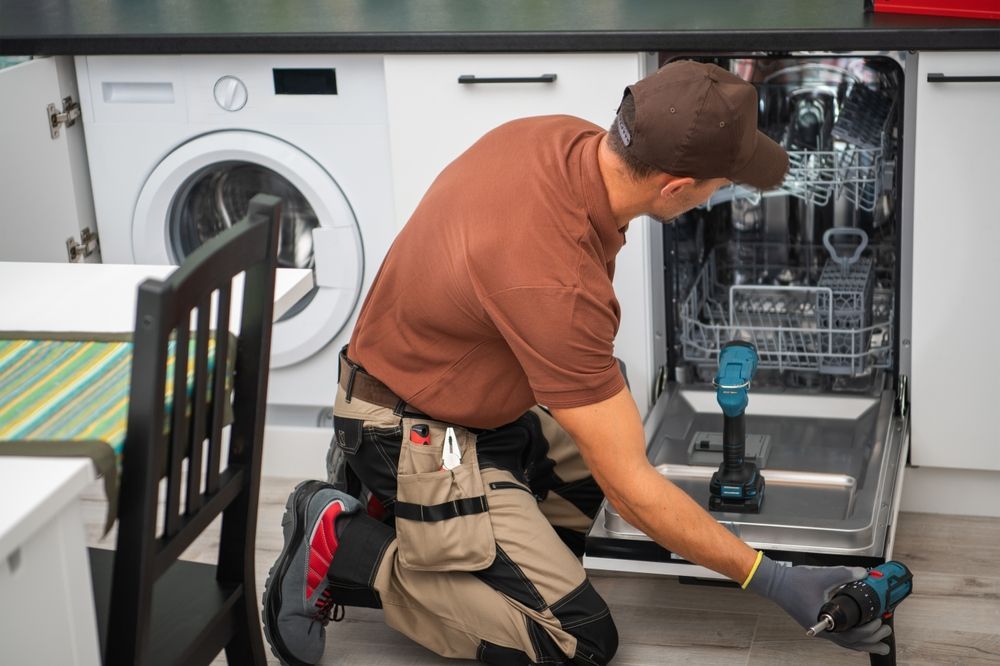
Maintenance to Prevent Kitchen Appliance Breakdowns
Clean oven interiors and seals regularly, avoid spills around burners and control panels.
Replace oven door gaskets when worn to preserve temperature control.
Run dishwasher cleaning cycles monthly and check filters for debris.
Use microwave-safe containers and avoid running microwaves empty.
Have gas appliances inspected annually to ensure safe connections and ignition.
Energy and Cost Considerations
Upgrading or repairing older appliances involves weighing repair costs against improved energy efficiency from newer models. Our technicians will provide objective assessments and recommendations, including potential savings from modern, energy-efficient appliances.
When to Repair vs Replace
Repair when:
- The unit is relatively new or in otherwise good condition.
- The problem involves replaceable components (elements, pumps, motors).
Replace when:
- The appliance is older, has multiple failing systems, or repair costs approach the value of a replacement.
Frequently asked questions
My oven runs but won’t reach the set temperature. Can that be fixed quickly?
Often yes. Faulty elements, damaged sensors, or control boards can be repaired or replaced. We’ll perform diagnostics and provide an estimate.
My dishwasher smells bad after cleaning. Is it repairable?
Yes. Bad odors typically come from food debris, clogged filters, or standing water. Cleaning, pump checks, and occasional seal replacements solve this.
Is microwave repair safe?
Microwaves contain high-voltage components and should only be repaired by qualified technicians. We follow all safety protocols.
Do you service professional-grade ranges and built-in ovens?
Yes. We service a range of residential and light commercial-grade kitchen equipment with appropriate parts and expertise.